Start with the snowflake
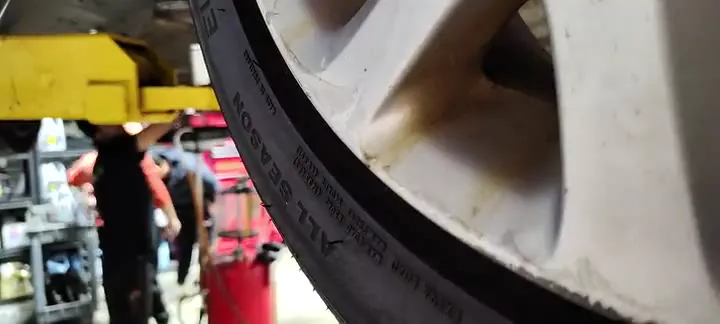
Whatever you buy, look for the three-peak mountain-snowflake (3PMSF) symbol on the sidewall. It means the tire passed a standardized snow-traction test. M+S alone does not, and may not meet your insurer's conditions for the winter tire discount.
Studless ice-and-snow tires
These use the softest compounds and the most siping. They're the best choice for ice and packed snow and the shortest stopping distances on glare ice, making them ideal for early commuters, the escarpment, rural roads and anyone who can't wait for the plow.
Performance winter tires
Performance winter tires trade some ice grip for sharper steering and stability on cleared, wet highways. They suit drivers who mostly cover kilometres on the QEW and 406 and want a winter tire that feels closer to their summer set.
All-weather tires
All-weather tires carry the snowflake symbol but stay on all year. For city drivers on plowed roads they're a sensible single-set option. They give up some ice performance compared with dedicated winters, and whether they count for the insurance discount depends on your insurer and the specific tire. Our winter vs all-weather guide compares the two in detail.
SUVs, pickups and vans
All-wheel drive helps you accelerate in snow, but braking and steering traction depend entirely on your tires. Heavier vehicles need winter tires with the right load index; pickups and vans that call for LT tires should stay with LT winter tires. See truck, SUV and van tires.
When to put them on
As a guideline, install winter tires once daytime temperatures stay below about 7 °C (in Niagara, usually late October to mid-November). It is a rule of thumb, not a hard line: book before the first forecast snow, because that is when changeover bays fill up fastest.
Rims or no rims
Buying winter tires on their own rims costs more once but makes every changeover a quick swap instead of a mount and balance, and is easier on the tire beads. Steel rims usually cost less and stand up to curbs and salt; alloy rims are lighter and look better. Either can carry TPMS sensors if the sensor type, valve and wheel are compatible. See winter tire packages.